01
Water sits against the house after rain
Puddles by the walls, a damp patch inside or a lawn that stays soggy for days usually mean the water has nowhere to go. New land drains, gullies or a soakaway take it away from the building.
 07906 809589
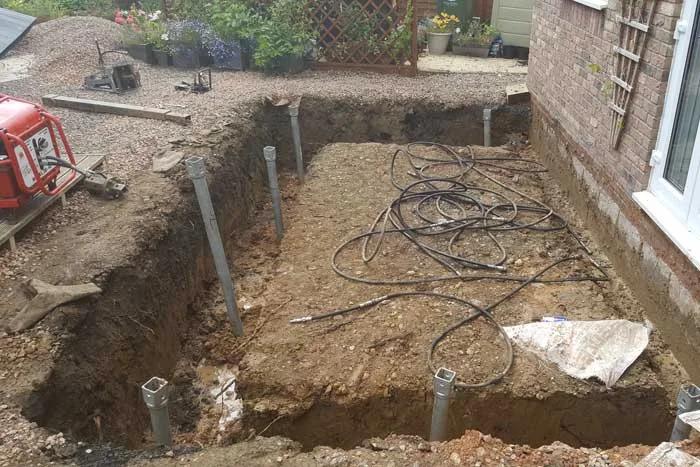
Everything you build sits on the groundwork, so it’s the part worth getting right. SG Build digs footings, lays drainage, cuts trenches and prepares sites across Crawley and Sussex, for homeowners, builders, farms and commercial clients.
Tell Sean what you have in mind. A rough idea is enough.
Tell Sean what you have in mind. A rough idea is enough.
SG Build does the groundwork and the building with the same family-run team. If the dig is for an extension, the people who pour your footings are the people who build on them. See the house extensions page for how the two fit together.
01 / Where it starts
Most groundwork jobs start with a problem you can see from the back door or a plan that needs the ground ready first.
Puddles by the walls, a damp patch inside or a lawn that stays soggy for days usually mean the water has nowhere to go. New land drains, gullies or a soakaway take it away from the building.
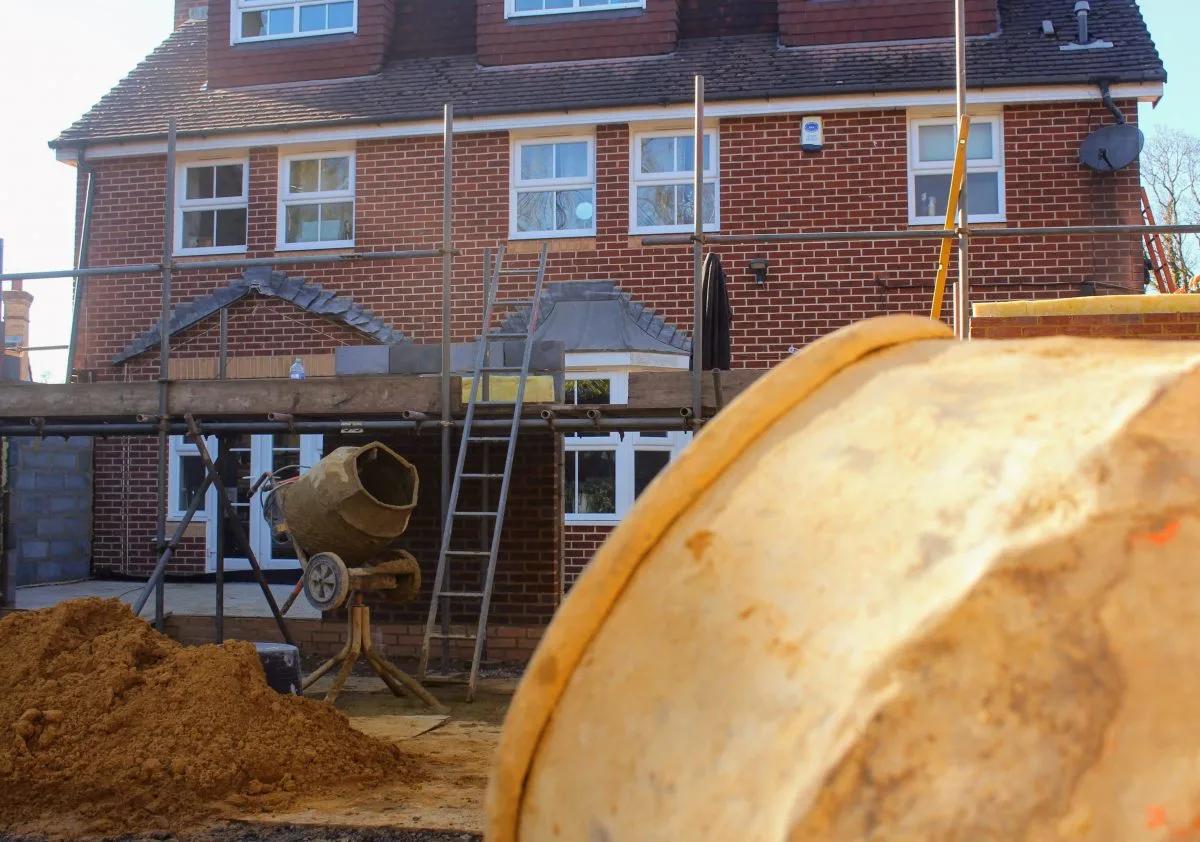
Before a wall goes up, the footings need digging to the depth the building inspector agrees, and any drains in the way need moving. That’s groundwork, and it decides how the extension performs for decades.
A cabin or workshop at the end of the garden needs a trench for the cable and pipes, dug to the right depth and backfilled so the lawn goes back down flat.
Access roads, hardstanding, a sewage treatment plant for a property off the mains, or ground work for stables and arenas. Bigger plots need the ground cleared, levelled and drained before anything else happens.
02 / The options
Foundations and footings for extensions, garages and outbuildings, dug and poured to the depth the ground needs. On Crawley clay that is often deeper than people expect.
Drainage: new runs, connections, gullies, land drains and soakaways, and moving existing drains out of the way of new work.
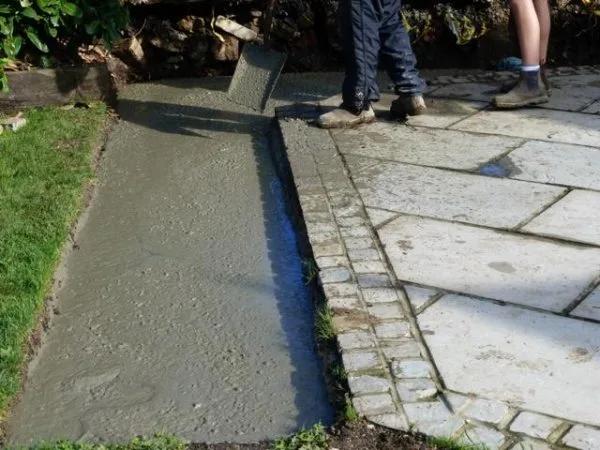
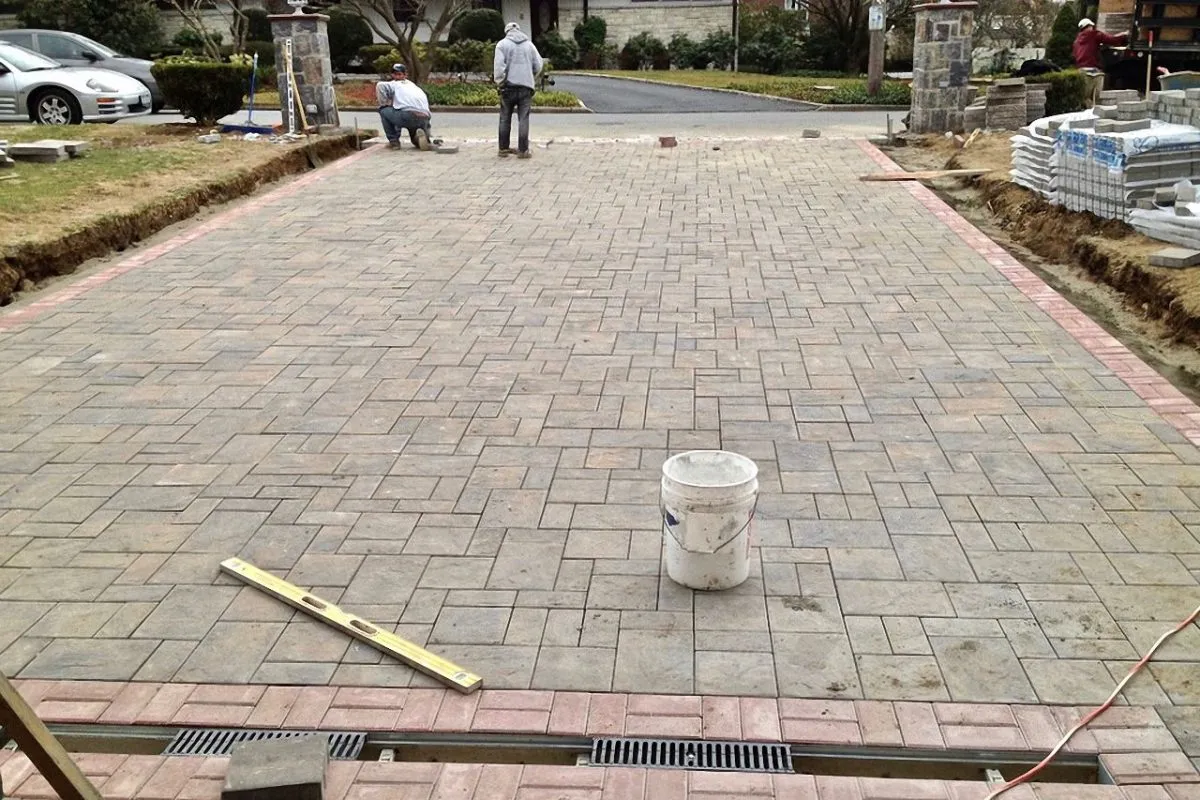
Trenching and ducting for power, water and cables, plus site preparation: clearing, levelling and building up a proper sub-base for paths, patios, driveways and access roads.
For larger plots we also handle sewage treatment plant installations, access roads and equestrian ground work, finished off with kerbs, tarmac, block paving or landscaping.
03 / Who does the work
The people who dig it are the people who build on it.
When one firm digs the footings and another builds the walls, nobody owns the join. A footing poured a few centimetres off, or a drain left where the floor needs to go, becomes the next trade’s problem and your bill.
SG Build has done both since 1999. Sean’s City & Guilds training and years on housing developments mean the groundwork is planned around what will sit on top of it, and the same team carries the job through.
04 / How it works
Sean visits, checks access for machines and skips, and looks at levels, existing drains and where the water goes now.
The work is set out on the ground and existing pipes and cables are found before any digging starts.
Excavation to the depth agreed, with the spoil taken away so the site stays workable.
Footings and slabs poured to suit the ground. SG Build can supply the concrete for the job too.
Pipes laid to the right fall, connected and tested, with ducts in for any cables.
Trenches filled and compacted, the ground left level and ready for the build, the patio or the lawn.
05 / Reviews from our clients
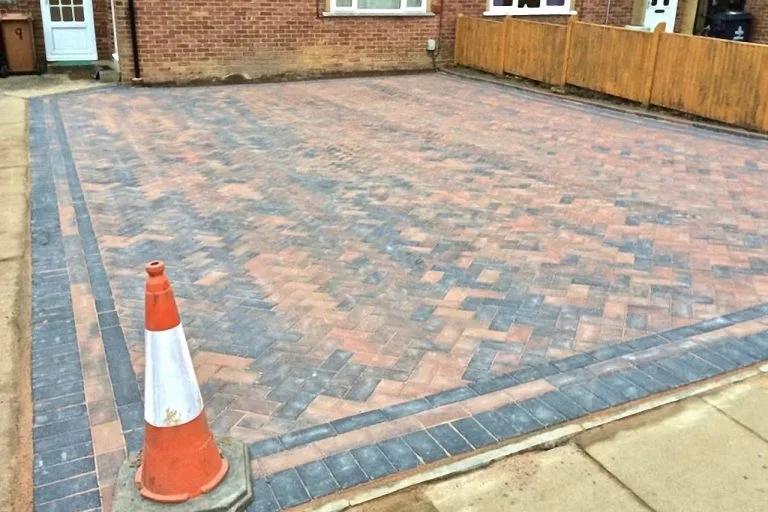
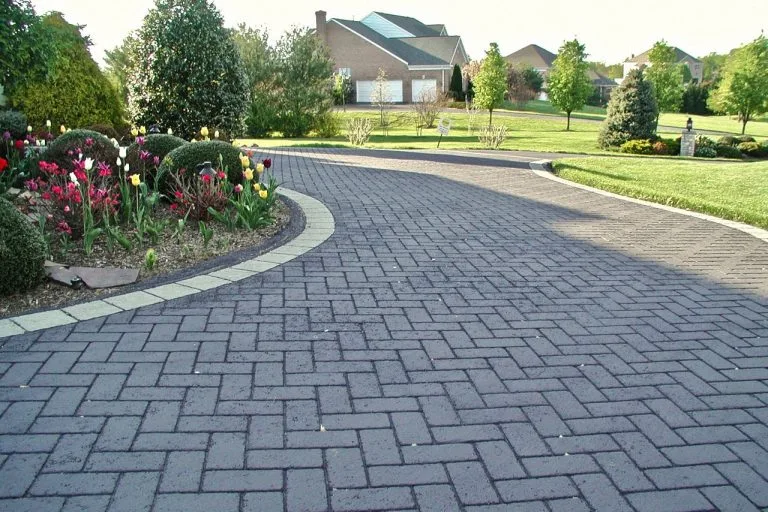
SG Build did such a great job on our driveway we knew they had to do our garden too. They had great ideas and made it look amazing. We are so pleased with the outcome. I cannot recommend them enough.
Used Sean for several building jobs at Ifield Park Care Home. Sean is friendly, polite and has sound knowledge. Nothing is ever too much trouble. We would recommend Sean for any aspect of building work.
Digging soon? Get the ground looked at before anything goes on it.
06 / Worth knowing before you build
A soakaway is a pit or set of crates that lets rainwater soak back into the ground. On sandy soil it works well. On the Weald clay under much of Crawley, water drains away slowly, and a soakaway sized by guesswork fills up and stays full.
A garden that stays waterlogged long after the rain has stopped, a soakaway that overflows in every heavy shower, or a downpipe that backs up are all signs the ground isn’t taking the water.
Building Regulations ask for a percolation test before a soakaway is designed. A hole is dug, filled with water and timed as it drains, so the soakaway is sized for the real ground, not a guess.
If the clay won’t take the water, the answer can be a bigger soakaway set well away from the house, a connection to a surface water drain where that’s allowed, or land drains to carry it off. We tell you which once the ground has been tested.
07 / Cost
Groundwork is priced on what’s under the surface, which is why a site visit matters. The biggest factors are:
Every quote is free and written up front, after a look at the site.
08 / Before work starts
New drainage, soakaways and footings for any building work come under Building Regulations. The building inspector checks the trenches and drains before they are covered, so nothing gets buried before it has been seen.
If a public sewer runs under or close to where you want to build, you usually need permission from your water company first, known as a build-over agreement. It’s worth checking the sewer maps early, before the design is fixed.
Covering more than five square metres of a front garden with a hard surface usually needs planning permission unless the water can drain into the ground, through permeable paving or into a border. Check with the council before you pave.
09 / Where we build
Most of our groundwork is within a few miles of our base in Ifield, with larger jobs further across Sussex and the South East.
Close to home. Footings for extensions, new drainage runs and patios and paths that need a proper base. Mrs Conrad in Gossops Green had her driveway done first, then asked us back for the garden.
Estate homes where the garden often slopes or holds water, so drainage and levels come up as often as footings.
Bigger village plots often need access tracks, hardstanding, or a sewage treatment plant where a house is off the mains.
Rural plots with paddocks and outbuildings, where the work can be ground preparation for stables and arenas, or drainage for land that holds water.
10 / Questions
Everything below the finished surface: footings and foundations, drainage, trenches for services, levelling, sub-bases and the concrete or hard surfaces that go on top.
It depends on the soil and nearby trees. On Crawley clay they are often deeper than on other ground, and the building inspector agrees the depth on site.
New drains, soakaways and changes to existing drainage for building work usually do. The inspector checks them before they are covered.
Often it’s the clay. Water can’t soak away fast enough, so it sits on top. Land drains, better falls or a properly sized soakaway can fix it.
Yes, SG Build installs sewage treatment plants for properties that aren’t on the mains. Rules apply to where the treated water can go, so we check that with you first.
Yes. Access roads, hardstanding, drainage and ground preparation for stables and arenas are all part of our groundworks.
Yes. Concrete supply is one of our services, so it can come with the job.
If you plan to build over or near a public sewer, usually yes. Your water company’s sewer maps show whether one runs nearby.
Yes. Sean looks at the site and you get a free written quote before any work is booked.
Free advice. A written quote. A place to start.
Say where you are, what you have in mind and whether you have drawings. An early idea is a good enough starting point.
07906 809589 info@sgbuild.co.uk